CASA Membership Letter Campaign: Protect Federal Clean Water Infrastructure Funding
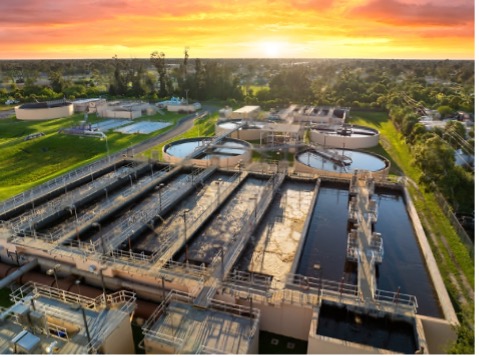
The White House has again proposed eliminating the Clean Water State Revolving Fund (CWSRF) and Water Infrastructure Finance and Innovation Act (WIFIA) program in Fiscal Year 2027. For nearly 40 years, the CWSRF has provided critical federal investment to help California clean water agencies meet regulatory requirements, protect water quality, and maintain essential infrastructure that supports safe and reliable wastewater services statewide.
As Congress begins drafting FY2027 appropriations bills, it is critical that lawmakers hear directly from local clean water agencies about the importance of preserving full funding for both CWSRF and WIFIA.
CASA urges members to send letters of support to your congressional delegations before June 30. Template letters for both the House and Senate are available for members to customize and submit. For questions or assistance, members are encouraged to contact CASA’s federal representative, Sarah Sapirstein (ssap@ensresources.com), with any questions.
Congressional Committees Review EPA Fiscal Year 2027 Budget
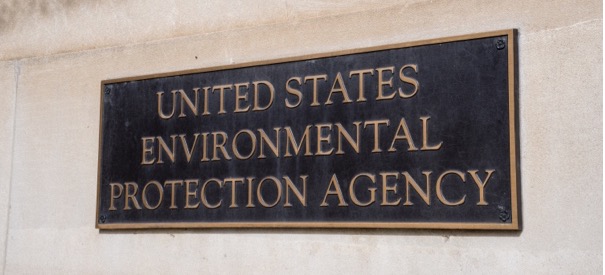 House and Senate congressional committees have taken the next step in the process to develop fiscal year (FY) 2027 appropriations, hearing from agency leadership on their respective FY2027 budgets. This included U.S. Environmental Protection Agency (USEPA) Administrator Lee Zeldin, who testified before three congressional committees at the end of last month to the Agency’s FY2027 budget. During the hearings, Zeldin fielded multiple questions regarding the Administration’s 52% reduction for USEPA and the elimination of longstanding popular assistance programs. Importantly, in each hearing, Zeldin faced strong bipartisan opposition to the budget request’s effective elimination of the State Revolving Loan Fund (SRF). Later in May, Zeldin is expected to testify before the Senate Committee on Appropriations. The following highlights key takeaways from each USEPA congressional budget hearing.
House Committee on Appropriations Subcommittee on Interior, Environment and Related Agencies
As the subcommittee with responsibility for developing the Interior, Environment and Related Agencies spending bill, which funds USEPA, Chairman Mike Simpson (R-ID) noted the role to ensure that future funding allocations align with the needs and mission of USEPA. However, he also cautioned that the Agency’s FY2027 Budget Request reflects similar “draconian” cuts that the Administration requested for FY2026. Simpson plainly stated that the subcommittee “likely cannot accept the proposed steep cuts to the State and Tribal Assistance Grants that our states, tribes, and water utilities rely on for implementing federal statutes and providing safe and reliable drinking water and wastewater.” This sentiment was shared by Ranking Member Chellie Pingree (D-ME). Throughout the hearing’s lively discussion, there was broad support for the SRF program among subcommittee membership.
Senate Committee on Environment and Public Works
During the Senate Committee on Environment and Public Works’ hearing, Zeldin faced questions regarding the Agency’s proposed cuts to water infrastructure funding, as well as the protection of passive receivers from PFAS CERCLA liability costs. Chairwoman Shelley Moore Capito (R-WV) emphasized the importance of the SRF to supporting critical water infrastructure investments, especially for small and rural systems. She underscored the need to ensure the program is “adequately funded” in the next fiscal year. Senator Alex Padilla (D-CA) used the hearing to raise the ongoing issue of prolonged WIFIA loan approval delays for certain WIFIA applicants and express his concern about it. On the matter of CERCLA PFAS liability, Capito emphasized the concern that passive receivers of PFAS, such as water systems, could be ensnared in CERCLA cleanup liability. She added that the committee continues to negotiate a solution to this issue. In the meantime, she asked Zeldin what USEPA is doing to protect passive receivers. Zeldin stated that the Agency believes polluters should be responsible for paying for cleanup costs and not public ratepayers. He noted that PFAS presents a novel situation and that a congressional solution to address the passive receiver issue would be ideal.
House Committee on Energy and Commerce
The last budget hearing Zeldin appeared before was the House Committee on Energy and Commerce. While not an appropriations committee, the Committee on Energy and Commerce has jurisdiction over water quality issues. Of most relevance for CASA priorities were Representative Jake Auchincloss’ (D-MA) questions as to how USEPA plans to address PFAS pollution in municipal water supplies, given that the Administration is recommending severely reducing the Agency’s overall budget and SRF program. Auchincloss raised the specific issue of assisting water agencies invest in PFAS destruction and disposal technologies that still face scalability and cost challenges. Zeldin answered by identifying various existing PFAS destruction technologies for the municipal water sector, however Auchincloss was quick to counter that those technologies remain too costly for most water agencies. Zeldin responded by referencing the tradition of Congress to use the SRF to fund congressional earmarks, which reduces available funds for water agency investments, including PFAS treatment technologies.



 @CASA_CleanWater